

Hey there! As a supplier of British Standard Chain, I often get asked about the hardness of these chains. So, I thought I'd take some time to break it down for you in this blog post.
First off, let's understand why hardness matters in a chain. A chain needs to be hard enough to withstand wear and tear, resist deformation under load, and have a long service life. If a chain isn't hard enough, it can stretch, wear out quickly, and even break, which can lead to costly downtime and potential safety hazards.
British Standard Chains are designed to meet specific hardness requirements to ensure their performance and durability. The hardness of these chains is typically measured using the Rockwell hardness test. This test measures the depth of penetration of an indenter into the material under a specific load. The harder the material, the shallower the penetration, and the higher the Rockwell hardness number.
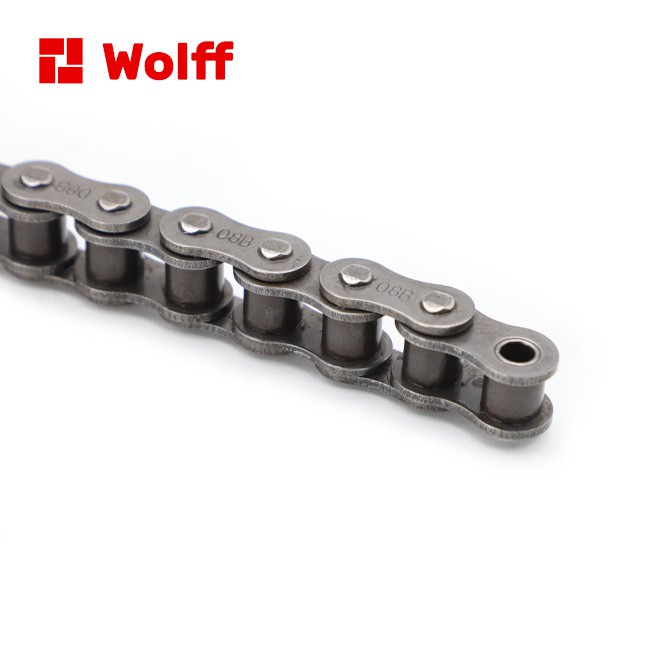
The hardness of British Standard Chains can vary depending on the type of chain, the materials used, and the manufacturing process. For example, Simplex Roller Chain British Standard 08B is a popular type of chain that is known for its high strength and durability. This chain is made from high-quality steel and is heat-treated to achieve a specific hardness level. The heat treatment process involves heating the chain to a high temperature and then cooling it rapidly to harden the steel. This process not only increases the hardness of the chain but also improves its toughness and resistance to wear.
Another type of British Standard Chain is the Multi Strand Metric Roller Chain. This chain is designed for applications that require high power transmission and heavy loads. The multiple strands of the chain distribute the load evenly, reducing stress on individual links and increasing the overall strength of the chain. The hardness of the Multi Strand Metric Roller Chain is also carefully controlled to ensure its performance and reliability.
In addition to standard steel chains, we also offer British Standard Stainless Steel Chains. These chains are made from stainless steel, which is known for its corrosion resistance and high strength. Stainless steel chains are often used in applications where the chain is exposed to harsh environments, such as food processing, chemical manufacturing, and marine applications. The hardness of stainless steel chains is also important to ensure their performance and durability. The manufacturing process for stainless steel chains is similar to that of standard steel chains, but special care is taken to prevent corrosion during the heat treatment process.
So, how do we ensure that our British Standard Chains meet the required hardness levels? Well, we have a strict quality control process in place. We start by selecting high-quality materials from reputable suppliers. The materials are then inspected to ensure they meet our specifications. During the manufacturing process, we use advanced heat treatment equipment and techniques to control the hardness of the chains. After the heat treatment, the chains are tested using the Rockwell hardness test to ensure they meet the required hardness levels. Any chains that do not meet the specifications are rejected.
In addition to hardness, there are other factors that can affect the performance and durability of British Standard Chains. These include the surface finish of the chain, the fit and clearance between the links, and the lubrication of the chain. A smooth surface finish can reduce friction and wear, while proper fit and clearance between the links can prevent binding and ensure smooth operation. Lubrication is also important to reduce friction and wear and to prevent corrosion.
If you're in the market for British Standard Chains, it's important to choose a supplier that you can trust. At our company, we have years of experience in the chain manufacturing industry, and we are committed to providing our customers with high-quality products and excellent customer service. We offer a wide range of British Standard Chains, including simplex roller chains, multi-strand metric roller chains, and stainless steel chains. Our chains are available in various sizes and configurations to meet your specific needs.
If you have any questions about the hardness of British Standard Chains or if you're interested in purchasing our products, please don't hesitate to contact us. We'd be happy to help you find the right chain for your application. Whether you're a small business or a large corporation, we can provide you with the chains you need at a competitive price.
In conclusion, the hardness of British Standard Chains is an important factor that affects their performance and durability. By using high-quality materials, advanced manufacturing processes, and strict quality control, we ensure that our chains meet the required hardness levels and provide our customers with reliable and long-lasting products. If you're looking for a reliable supplier of British Standard Chains, look no further. Contact us today to discuss your requirements and let us help you find the perfect chain for your needs.

References
- ASTM International. (Year). Standard Test Methods for Rockwell Hardness and Rockwell Superficial Hardness of Metallic Materials. ASTM E18.
- British Standards Institution. (Year). British Standards for Chains. Various standards.
- Machinery's Handbook. (Year). Industrial Press.