

Hey there! I'm a supplier in the Agricultural Chain business, and I've been keeping my eyes peeled on the trends shaping this industry. Let's dive right into what's going on in the development of the Agricultural Chain.
1. Technological Advancements
Technology is revolutionizing the agricultural chain. We're seeing a shift towards more high - tech materials and manufacturing processes. For instance, the use of advanced alloys in chain production has significantly improved the strength and durability of agricultural chains. These new materials can withstand harsh environmental conditions, such as extreme temperatures, moisture, and abrasive soils.
Moreover, precision manufacturing techniques have become the norm. Computer - numerical control (CNC) machining allows for extremely accurate production of chain components. This precision ensures a better fit and smoother operation, reducing wear and tear and increasing the overall lifespan of the chains.
Another cool tech trend is the integration of sensors in agricultural chains. These sensors can monitor various parameters like tension, temperature, and wear. By collecting this data, farmers and equipment operators can predict maintenance needs in advance, preventing costly breakdowns during the busy farming seasons. Check out Agricultural Chains And Sprockets to see some of the high - tech chains we offer.
2. Sustainability
Sustainability is no longer just a buzzword; it's a driving force in the agricultural chain industry. As consumers become more environmentally conscious, there's a growing demand for sustainable farming practices, and the chains used in agriculture are no exception.
Manufacturers are now focusing on reducing the environmental impact of chain production. This includes using recycled materials in the manufacturing process and optimizing production methods to minimize waste and energy consumption. For example, some companies are recycling scrap metal to make new chains, which not only reduces the need for virgin materials but also cuts down on the carbon footprint associated with mining and refining.
In addition, sustainable chains are designed to be more energy - efficient. Chains with lower friction coefficients require less power to operate, which in turn reduces fuel consumption in agricultural machinery. This not only saves money for farmers but also contributes to a greener planet. You can find some great sustainable options in Agricultural Chains for Special Harvesters.
3. Customization
Farmers have diverse needs, and one - size - fits - all solutions just don't cut it anymore. That's why customization has become a major trend in the agricultural chain industry. We're seeing an increasing demand for chains that are specifically designed for different types of agricultural equipment and farming operations.
Whether it's a small - scale family farm or a large commercial operation, farmers are looking for chains that can be tailored to their unique requirements. For example, some farms may need chains with special coatings to resist corrosion in a wet or salty environment. Others may require chains with a specific pitch or strength rating to match their machinery.
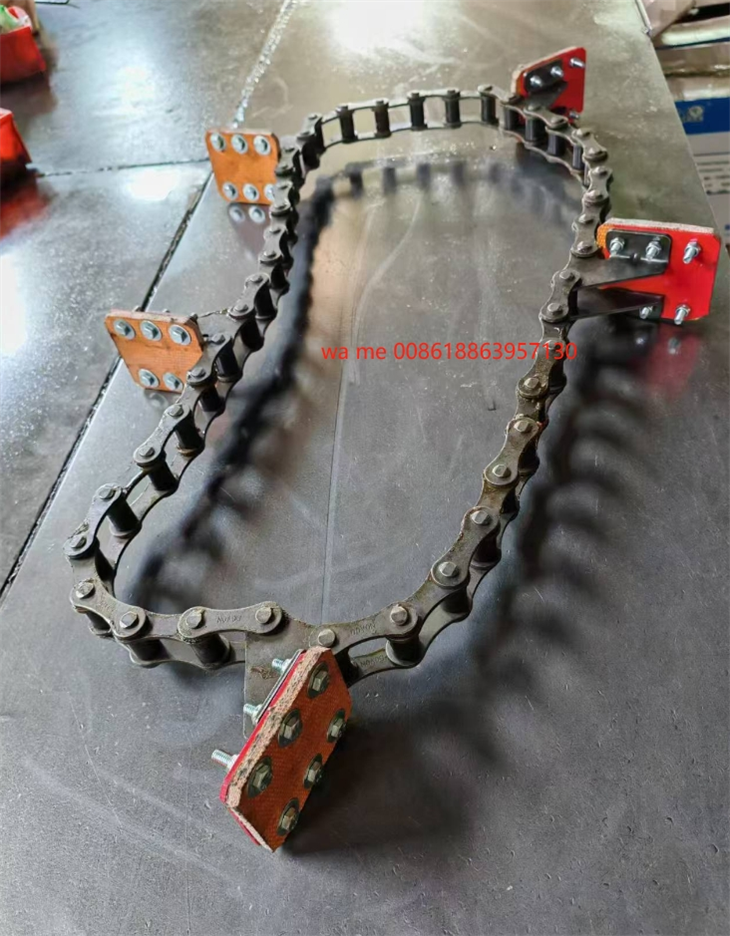
As a supplier, we're well - equipped to offer customized solutions. We work closely with farmers and equipment manufacturers to understand their needs and design chains that meet those exact specifications. Take a look at Agricultural Chain Assemble Set to see how we can customize chains for you.

4. Automation and Robotics
The agricultural industry is rapidly moving towards automation and robotics, and the agricultural chain is an integral part of this transformation. Automated farming equipment, such as self - driving tractors and robotic harvesters, rely on high - quality chains to function properly.
These chains need to be able to handle high - speed operation and precise movements. They also need to be highly reliable to ensure the continuous operation of automated systems. As more and more farms adopt automation, the demand for chains that can meet these requirements is on the rise.
In addition, the use of robotics in agriculture often requires chains with special features, such as quiet operation and smooth movement. This is to minimize noise pollution and ensure the safety of workers in the vicinity. We're constantly researching and developing new chains to meet the evolving needs of the automated farming sector.
5. Globalization
The agricultural chain industry is becoming increasingly globalized. With the growth of international trade, farmers and equipment manufacturers have access to a wider range of products from different parts of the world. This has led to increased competition among suppliers, which is ultimately beneficial for the end - users.
As a supplier, we're taking advantage of this globalization trend by expanding our market reach. We're working with distributors and partners around the world to ensure that our high - quality agricultural chains are available to farmers everywhere. At the same time, we're also learning from other suppliers in different regions and incorporating new ideas and technologies into our products.
However, globalization also brings challenges, such as differences in quality standards and regulations. We're committed to meeting the highest quality standards in every market we serve, and we're constantly adapting to the changing regulatory environment.
6. Data - Driven Decision Making
In today's digital age, data is king. The agricultural chain industry is no exception. By collecting and analyzing data on chain performance, usage, and maintenance, we can make more informed decisions about product development and customer service.
For example, we can use data to identify patterns of wear and tear in different farming environments. This information can then be used to improve the design of our chains and recommend the best maintenance practices to our customers. We can also use data to predict future demand for different types of chains, allowing us to optimize our production and inventory management.
As a supplier, we're investing in data analytics tools and technologies to better understand our customers' needs and provide them with the best possible products and services.
Contact for Procurement
If you're in the market for high - quality agricultural chains, I'd love to talk to you. Whether you're looking for a standard chain or a customized solution, we have the expertise and the products to meet your needs. Just reach out to us, and we'll be happy to discuss your requirements and provide you with a quote.
References
- Industry reports on agricultural machinery and equipment
- Research papers on sustainable manufacturing in the agricultural sector
- Case studies on the use of automation and robotics in agriculture