

Transporting British Standard Chain safely is crucial for us as a supplier. It ensures that the chains reach our customers in top - notch condition, ready for their various applications. In this blog, I'll share some tips and best practices on how to achieve safe transportation of these chains.
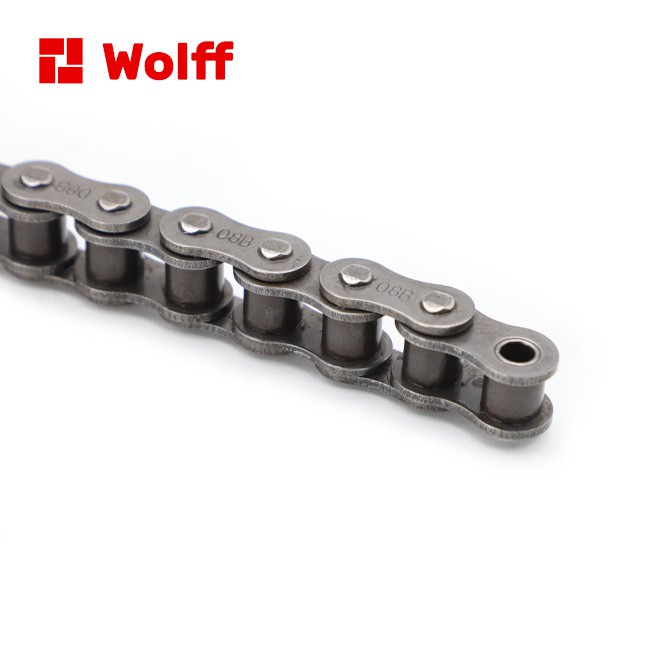
First off, let's understand a bit about British Standard Chain. There are different types, like the ISO British Standard Roller Chain. This type of chain is widely used in many industries, thanks to its standard - compliant design and high - quality performance. Then there's the Simplex Roller Chain British Standard 08B, which has its own set of features that make it suitable for specific tasks. And the Single Strand Metric Roller Chain is another popular option.
Packaging
The first step in safe transportation is proper packaging. Chains can be heavy and have sharp edges, so we need to protect them and the people handling them during transit. We usually start by cleaning the chains thoroughly before packaging. Any dirt, debris, or lubricant residue can cause problems during transportation and also affect the chain's performance in the long run.
For smaller chains, we use sturdy cardboard boxes. These boxes are lined with foam or bubble wrap to cushion the chains. The chains are coiled neatly and placed inside the box. We make sure to label the boxes clearly with information like the type of chain, its size, and any special handling instructions.
For larger and heavier chains, wooden crates are our go - to option. The crates are built to be strong enough to withstand the weight of the chains. We secure the chains inside the crate using straps or brackets to prevent them from moving around during transit. This movement can cause damage to the chains and also pose a risk to the transportation vehicle.
Handling
Proper handling is just as important as packaging. When loading the chains onto the transportation vehicle, we use appropriate lifting equipment. Forklifts or cranes are commonly used, depending on the size and weight of the chains. Operators are trained to handle the chains gently to avoid dropping or hitting them against other objects.
During the loading process, we stack the packaged chains carefully. We don't stack them too high to prevent the bottom packages from getting crushed. We also make sure to distribute the weight evenly in the vehicle to maintain balance. This is important for the safety of the vehicle and its driver.
Transportation Mode
Choosing the right transportation mode is a key decision. For local deliveries, we often use trucks. Trucks offer flexibility in terms of delivery schedules and can reach different locations easily. We make sure to use trucks that are in good condition and have proper suspension to reduce the impact of bumps on the chains.
For long - distance or international shipments, we might opt for sea freight or air freight. Sea freight is a cost - effective option for large - volume shipments. However, it takes longer. When using sea freight, we need to be extra careful about protecting the chains from moisture and saltwater. We use moisture - resistant packaging and desiccants inside the shipping containers.
Air freight is much faster but more expensive. It's a good choice when the customer needs the chains urgently. The shorter transit time also reduces the risk of damage during transportation.

Tracking
We use tracking systems to keep an eye on the chains during transit. This allows us to know the exact location of the shipment at any given time. If there are any delays or issues, we can inform the customer immediately. It also helps us to take action quickly if there are signs of problems, like a sudden change in the shipment's temperature or humidity.
Insurance
We always recommend getting insurance for the chains during transportation. Accidents can happen, no matter how careful we are. Insurance provides financial protection in case the chains get damaged, lost, or stolen during transit. It gives both us and our customers peace of mind.
Unloading
Once the chains reach their destination, proper unloading is essential. Just like during loading, we use the right equipment and trained operators. The chains are unloaded carefully and inspected for any visible damage. If there are any issues, we document them immediately and work with the customer to resolve the problem.
In conclusion, safe transportation of British Standard Chain involves a combination of proper packaging, handling, choosing the right transportation mode, tracking, and having insurance. By following these steps, we can ensure that our customers receive their chains in the best possible condition.
If you're in the market for British Standard Chain, we're here to help. We have a wide range of chains to meet different needs. Whether you need a small quantity for a DIY project or a large order for an industrial application, we can provide you with high - quality chains and ensure they're transported safely to your doorstep. Reach out to us to start the procurement process and let's have a chat about your requirements.
References
- Industry guidelines on chain transportation
- Manufacturer's recommendations for chain packaging and handling